<?xml version="1.0" encoding="utf-8"?><feed xmlns="http://www.w3.org/2005/Atom" ><generator uri="https://jekyllrb.com/" version="3.10.0">Jekyll</generator><link href="https://lauralogozzo.github.io/feed.xml" rel="self" type="application/atom+xml" /><link href="https://lauralogozzo.github.io/" rel="alternate" type="text/html" /><updated>2026-04-26T21:59:28+00:00</updated><id>https://lauralogozzo.github.io/feed.xml</id><title type="html">Laura Logozzo</title><subtitle>An amazing website.</subtitle><author><name> </name><email>laura.ann.logozzo@gmail.com</email></author><entry><title type="html">Agricultural land use impacts aquatic greenhouse gas emissions from wetlands in the Canadian Prairie Pothole Region</title><link href="https://lauralogozzo.github.io/publications/Logozzo2025gbc/" rel="alternate" type="text/html" title="Agricultural land use impacts aquatic greenhouse gas emissions from wetlands in the Canadian Prairie Pothole Region" /><published>2025-03-15T00:00:00+00:00</published><updated>2025-03-15T00:00:00+00:00</updated><id>https://lauralogozzo.github.io/publications/Logozzo2025gbc</id><content type="html" xml:base="https://lauralogozzo.github.io/publications/Logozzo2025gbc/"><![CDATA[<p><strong>Logozzo, L.A.</strong>, C. Soued, L.E. Bortolotti, P. Badiou, P. Kowal, B. Page, M.J. Bogard
<br />
Mar 2025 · <em>Global Biogeochemical Cycles</em></p>

<p><img src="/assets/images/gcb graphical abstract.svg" alt="" /></p>

<p align="justify">
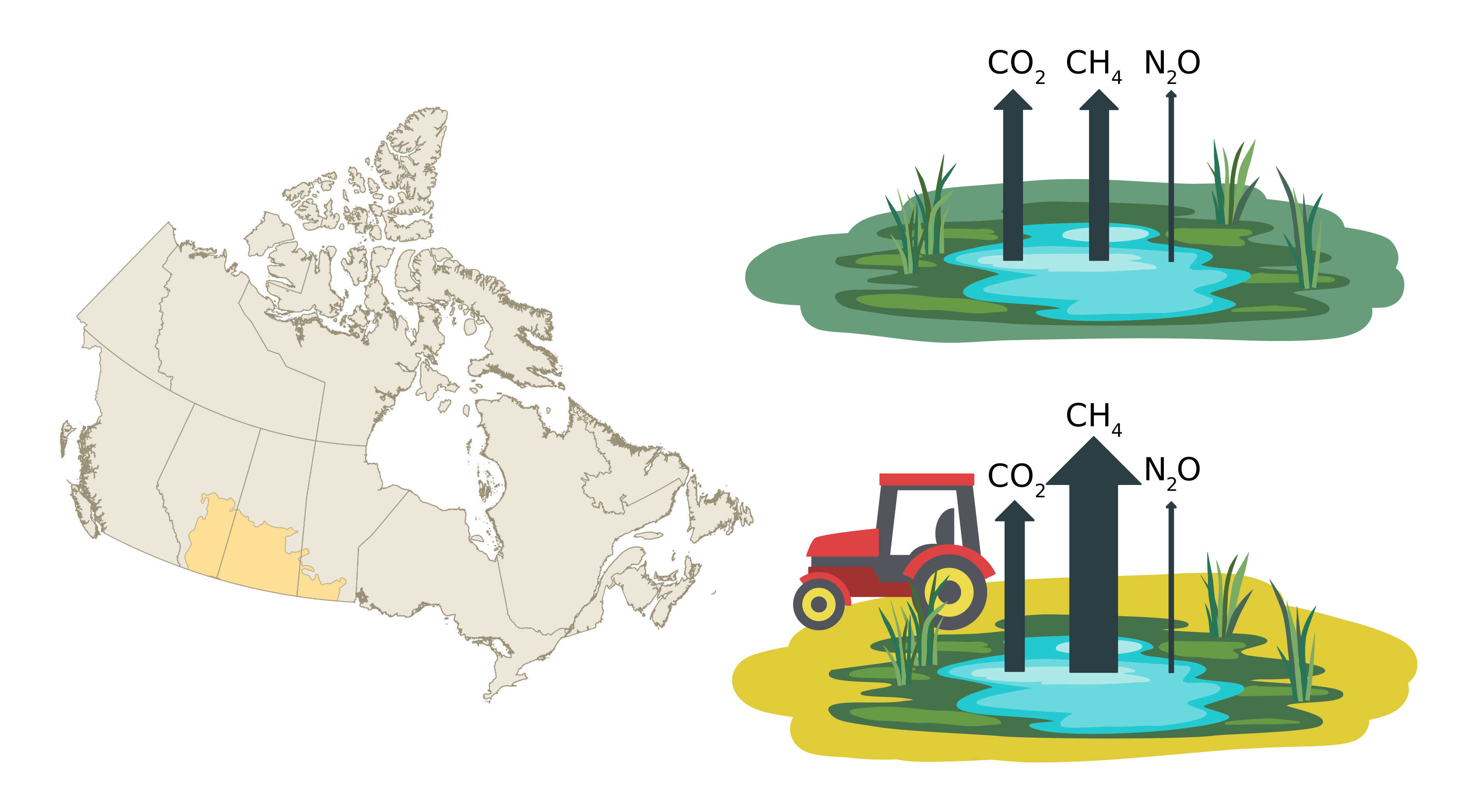
The Prairie Pothole Region (PPR) is the largest wetland complex in North America, with
millions of wetlands punctuating the landscapes of Canada and the United States. Here,
wetlands have been dramatically impacted by agricultural land use, with unclear implications
 for regional to global greenhouse gas (GHG) emissions budgets. By surveying wetlands
 across all three Canadian prairie provinces in the PPR, we show that emissions patterns
 of carbon dioxide (CO<sub>2</sub>), methane (CH<sub>4</sub>), and nitrous oxide (N<sub>2</sub>O) from aquatic habitats
 differ among wetlands embedded in cropland versus perennial landcover. Wetlands in
 cropped landscapes had double the aquatic diffusive emissions
 (20.6 ± 31.5 vs. 9.4 ± 17.3 g CO<sub>2</sub>-eq m<sup>−2</sup> d<sup>−1</sup>) largely driven by CH<sub>4</sub>. Structural equation
 modeling showed that all three GHGs responded differently to the surrounding landscape
 properties. Emissions of CH<sub>4</sub> were the most sensitive to land use, responding positively
 to the elevated phosphorus content and lower sulfate content in cropped settings, despite
 higher organic matter content in wetlands in perennial landscapes. Aquatic N2O emissions
 were negligible, while CO<sub>2</sub> emissions were high, but not strongly related to agricultural
 land use. While our estimates of aquatic CH<sub>4</sub> emissions from PPR wetlands were high
 (18.2 ± 41.4 mmol CH<sub>4</sub> m<sup>−2</sup> d<sup>−1</sup>), accounting for fluxes from vegetated and soil habitats
 would lead to whole-wetland emissions rates that are lower and comparable to wetlands
 in other biomes. Our study represents an important step toward understanding wetland
 emission responses to land use in the PPR and other wetland-rich agricultural landscapes.
</p>

<p><a class="btn btn--primary" href="https://doi.org/10.1029/2024GB008209" target="_blank">Read more <i class="fa-solid fa-arrow-up-right-from-square"></i></a></p>

<p><br /></p>]]></content><author><name> </name><email>laura.ann.logozzo@gmail.com</email></author><category term="Publications" /><category term="sticky" /><summary type="html"><![CDATA[Logozzo, L.A., C. Soued, L.E. Bortolotti, P. Badiou, P. Kowal, B. Page, M.J. Bogard Mar 2025 · Global Biogeochemical Cycles]]></summary></entry><entry><title type="html">Distinct drivers of two fractions of operationally dissolved iron in a temperate river</title><link href="https://lauralogozzo.github.io/publications/Logozzo2023lo/" rel="alternate" type="text/html" title="Distinct drivers of two fractions of operationally dissolved iron in a temperate river" /><published>2023-04-05T00:00:00+00:00</published><updated>2023-04-05T00:00:00+00:00</updated><id>https://lauralogozzo.github.io/publications/Logozzo2023lo</id><content type="html" xml:base="https://lauralogozzo.github.io/publications/Logozzo2023lo/"><![CDATA[<p><strong>Logozzo, L.A.</strong>, J.D. Hosen, J. McArthur, P. Raymond <br />
Apr 2023 · <em>Limnology &amp; Oceanography</em></p>

<p><img src="/assets/images/Figure1.png" alt="" /></p>

<p align="justify">
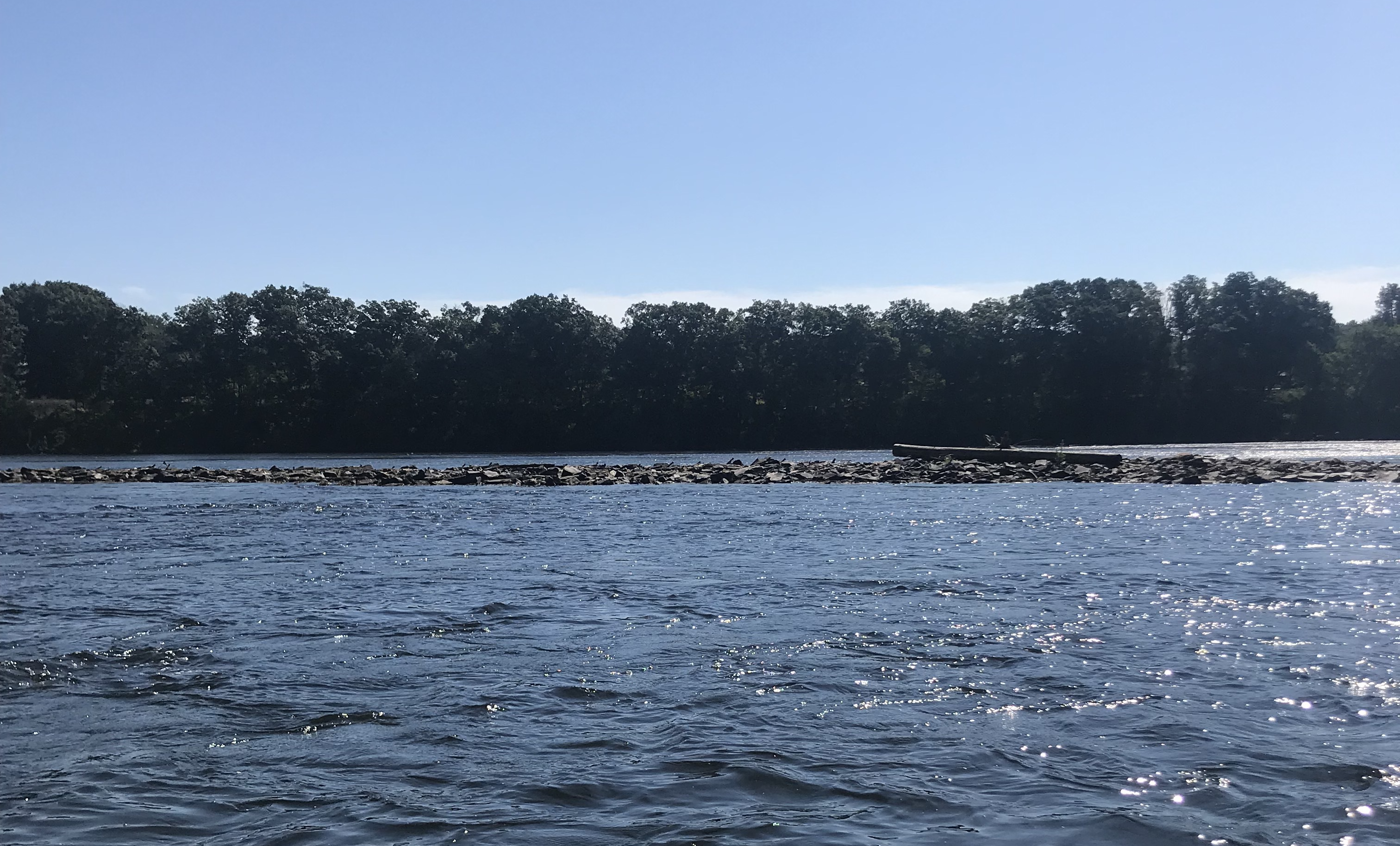
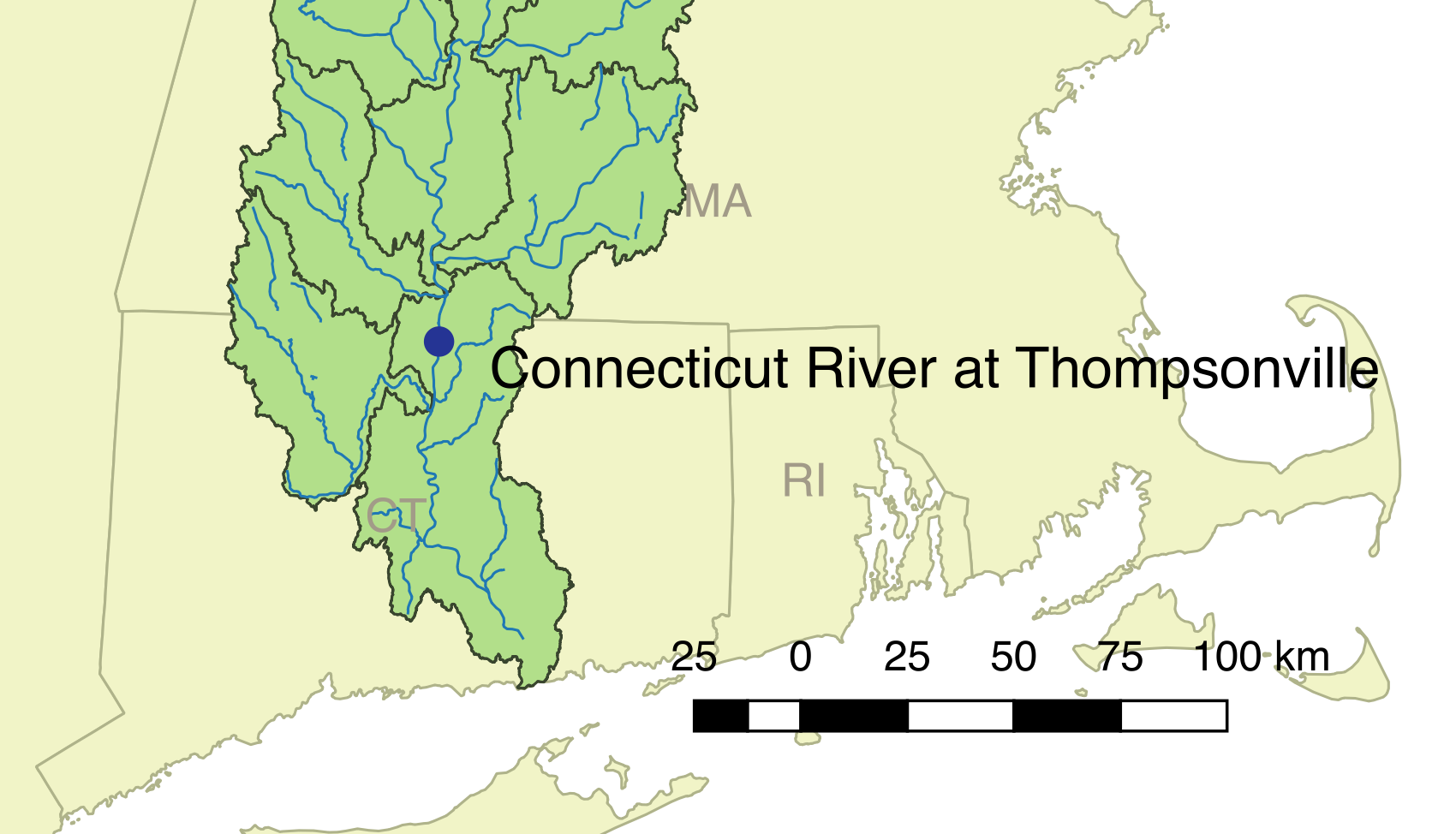
Riverine dissolved iron (Fe) affects water color, nutrients, and marine carbon cycling.
Fe size and coupling with dissolved organic matter (DOM), in part, modulates the
biogeochemical roles of riverine Fe. We used size fractionation to operationally define
dissolved Fe (&lt; 0.22 μm) into soluble (&lt; 0.02 μm) and colloidal (0.02–0.22 μm) fractions
in order to characterize the downstream drivers, concentrations, and fluxes of Fe across
season and hydrologic regime at the freshwater Connecticut River mainstem, which we
sampled bi-weekly for 2 yrs. Drivers of colloidal and soluble Fe concentrations were
markedly different. The response of colloidal Fe concentration to changes in discharge was
modulated by water temperature; colloidal Fe decreased with increasing discharge at
temperatures &lt; 10.5°C, but increased with increasing discharge at temperatures &gt; 10.5°C.
Conversely, soluble Fe concentrations were only positively correlated to discharge at high
temperatures (&gt; 20°C). Soluble Fe was strongly positively correlated to a humic-like DOM
fluorescence component, suggesting coupling with DOM subsets, potentially through
complexation. While average colloidal Fe fluxes varied twofold seasonally, soluble Fe
fluxes varied ninefold; therefore, soluble Fe variability was more important to the
overall dissolved Fe variability than colloidal Fe, despite lower concentrations. Seasonal
Fe fluxes were decoupled from discharge: dissolved and soluble Fe fluxes were greatest in
the fall, whereas discharge was greatest in the spring. Fluxes of soluble Fe, which may be
more bioavailable and more likely to be exported to the ocean, were lowest in the summer
when downstream biological demand is high, having implications for primary productivity
and iron uptake.
</p>

<p><a class="btn btn--primary" href="https://doi.org/10.1002/lno.12338" target="_blank">Read more <i class="fa-solid fa-arrow-up-right-from-square"></i></a></p>

<p><br /></p>]]></content><author><name> </name><email>laura.ann.logozzo@gmail.com</email></author><category term="Publications" /><category term="sticky" /><summary type="html"><![CDATA[Logozzo, L.A., J.D. Hosen, J. McArthur, P. Raymond Apr 2023 · Limnology &amp; Oceanography]]></summary></entry><entry><title type="html">Watershed DOC uptake occurs mostly in lakes in the summer and in rivers in the winter</title><link href="https://lauralogozzo.github.io/publications/Maavara2023lo/" rel="alternate" type="text/html" title="Watershed DOC uptake occurs mostly in lakes in the summer and in rivers in the winter" /><published>2023-01-30T00:00:00+00:00</published><updated>2023-01-30T00:00:00+00:00</updated><id>https://lauralogozzo.github.io/publications/Maavara2023lo</id><content type="html" xml:base="https://lauralogozzo.github.io/publications/Maavara2023lo/"><![CDATA[<p>Maavara, T., C. Brinkerhoff, J.D. Hosen, K.S. Aho, <strong>L.A. Logozzo</strong>, J. Saiers, A. Stubbins, P.A. Raymond <br />
Jan 2023 · <em>Limnology &amp; Oceanography</em></p>

<p><img src="/assets/images/THOM-thumbnail.PNG" alt="" /></p>

<p align="justify">
River networks transport dissolved organic carbon (DOC) from terrestrial uplands to the
coastal ocean. The extent to which a reach or lake within a river network uptakes DOC
depends on the stream order, the seasonal conditions, and the flow. At the watershed
scale, it remains unclear whether DOC uptake is dominated by biological processes such as
respiration, or abiotic processes like photomineralization. The partitioning of DOC uptake
in lakes vs. rivers is also unclear. In this study, we present a new model that unifies
year-round controls on DOC cycling for an entire river network, including river–lake
connectivity, to elucidate the importance of biotic vs. abiotic controls on DOC uptake.
We present the Catchment UPtake and Sinks by Season, Order, and Flow for DOC (CUPS-OF-DOC)
model, which quantifies terrestrial DOC loading, gross primary productivity, and uptake
via microbes and photomineralization. The model is applied to the Connecticut River
Watershed, and accounts for cascading reach- and lake-scale DOC cycling across 98 scenarios
spanning combinations of flows, seasons, and stream orders. We show that riverine DOC uptake
is nearly constant with stream order, but the proportion of DOC uptake from photomineralization
varies. Photomineralization dominates in rivers in most flow conditions and stream orders,
especially in winter, accounting for at least half of whole-watershed DOC uptake in February
across all flows. Whole-watershed summer DOC uptake occurs mostly via biomineralization
in lakes, accounting for 80% of DOC uptake during the growing season, despite accounting
for less than 6% of watershed open water surface area.
</p>

<p><a class="btn btn--primary" href="https://doi.org/10.1002/lno.12306" target="_blank">Read more <i class="fa-solid fa-arrow-up-right-from-square"></i></a></p>

<p><br /></p>]]></content><author><name> </name><email>laura.ann.logozzo@gmail.com</email></author><category term="Publications" /><category term="sticky" /><summary type="html"><![CDATA[Maavara, T., C. Brinkerhoff, J.D. Hosen, K.S. Aho, L.A. Logozzo, J. Saiers, A. Stubbins, P.A. Raymond Jan 2023 · Limnology &amp; Oceanography]]></summary></entry><entry><title type="html">Contributions of Fe(III) to UV–Vis absorbance in river water: a case study on the Connecticut River and argument for the systematic tandem measurement of Fe(III) and CDOM</title><link href="https://lauralogozzo.github.io/publications/Logozzo2022bgc/" rel="alternate" type="text/html" title="Contributions of Fe(III) to UV–Vis absorbance in river water: a case study on the Connecticut River and argument for the systematic tandem measurement of Fe(III) and CDOM" /><published>2022-05-16T00:00:00+00:00</published><updated>2022-05-16T00:00:00+00:00</updated><id>https://lauralogozzo.github.io/publications/Logozzo2022bgc</id><content type="html" xml:base="https://lauralogozzo.github.io/publications/Logozzo2022bgc/"><![CDATA[<p><strong>Logozzo, L.A.</strong>, J. Martin, J. McArthur, P.A. Raymond
<br />
May 2022 · <em>Biogeochemistry</em></p>

<p><img src="/assets/images/FARM-fall-cropped.JPG" alt="" /></p>

<p align="justify">
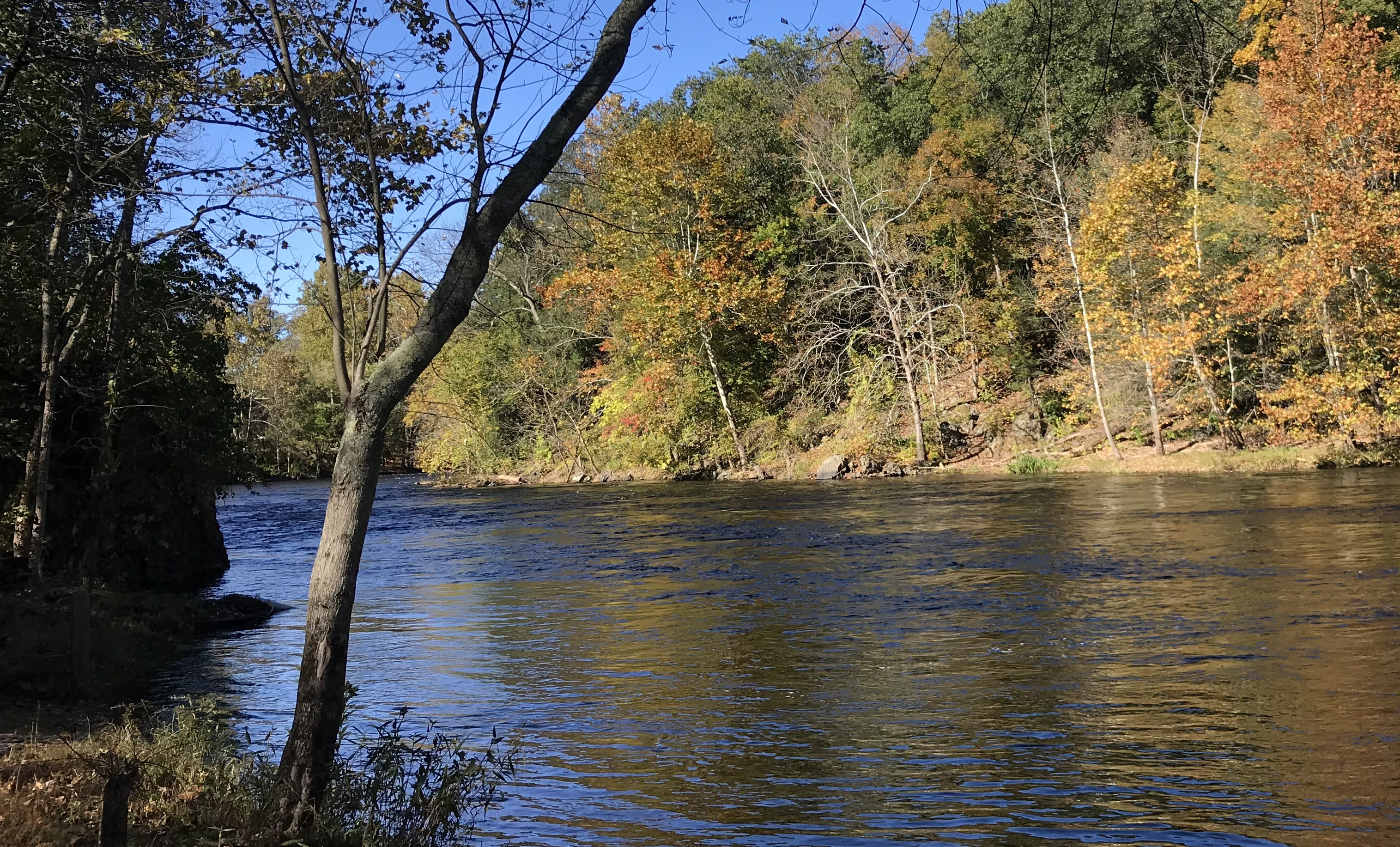
Dissolved organic matter (DOM) impacts the structure and function of aquatic ecosystems.
DOM absorbs light in the UV and visible (UV–Vis) wavelengths, thus impacting light
attenuation. Because absorption by DOM depends on its composition, UV–Vis absorbance is
used to constrain DOM composition, source, and amount. Ferric iron, Fe(III), also absorbs
in the UV–Vis; when Fe(III) is present, DOM-attributed absorbance is overestimated. Here,
we explore how differing behavior of DOM and Fe(III) at the catchment scale impacts UV–Vis
absorbance and evaluate how system-specific variability impacts the effectiveness of
existing Fe(III) correction factors in a temperate watershed. We sampled five sites
in the Connecticut River mainstem bi-weekly for ~ 1.5 years, and seven sites in the
Connecticut River watershed once during the summer 2019. We utilized size fractionation
to isolate the impact of DOM and Fe(III) on absorbance and show that variable contributions
of Fe(III) to absorbance at 254 nm (a<font size="2"><sub>254</sub></font>) and 412 nm
(a<font size="2"><sub>412</sub></font>) by size fraction complicates
correction for Fe(III). We demonstrate that the overestimation of DOM-attributed absorbance
by Fe(III) is correlated to the Fe(III):dissolved organic carbon concentration ratio;
thus, overestimation can be high even when Fe(III) is low. a<font size="2"><sub>254</sub></font> overestimation is highly
variable even within a single system, but can be as high as 53%. Finally, we illustrate
that UV-Vis overestimation might impart bias to seasonal, discharge, and land-use trends
in DOM quality. Together, these findings argue that Fe(III) should be measured in tandem
with UV–Vis absorbance for estimates of CDOM composition or amount.
</p>

<p><a class="btn btn--primary" href="https://doi.org/10.1007/s10533-022-00937-5" target="_blank">Read more <i class="fa-solid fa-arrow-up-right-from-square"></i> </a></p>

<p><br /></p>]]></content><author><name> </name><email>laura.ann.logozzo@gmail.com</email></author><category term="Publications" /><category term="sticky" /><summary type="html"><![CDATA[Logozzo, L.A., J. Martin, J. McArthur, P.A. Raymond May 2022 · Biogeochemistry]]></summary></entry><entry><title type="html">Does photomineralization of dissolved organics matter in temperate rivers?</title><link href="https://lauralogozzo.github.io/publications/Maavara2021jgrbgs/" rel="alternate" type="text/html" title="Does photomineralization of dissolved organics matter in temperate rivers?" /><published>2021-07-05T00:00:00+00:00</published><updated>2021-07-05T00:00:00+00:00</updated><id>https://lauralogozzo.github.io/publications/Maavara2021jgrbgs</id><content type="html" xml:base="https://lauralogozzo.github.io/publications/Maavara2021jgrbgs/"><![CDATA[<p>Maavara, T., <strong>L.A. Logozzo</strong>, A. Stubbins, K.S. Aho, C. Brinkerhoff, J.D. Hosen, P.A. Raymond
<br />
July 2021 · <em>Journal of Geophysical Research: Biogeosciences</em></p>

<p><img src="/assets/images/THOM-thumbnail.PNG" alt="" /></p>

<p align="justify">
Sunlight can oxidize dissolved organic carbon (DOC) to dissolved inorganic carbon (DIC)
in freshwaters. The importance of complete photooxidation, or photomineralization, as a
sink for DOC remains unclear in temperate rivers, as most estimates are restricted to
lakes, high latitude rivers, and coastal river plumes. In this study, we construct a model
representing over 75,000 river reaches in the Connecticut River Watershed (CRW), USA, to
calculate spectrally resolved photomineralization. We test the hypothesis that
photomineralization is a negligible DOC sink across all reaches and flow conditions
relative to DOC fluxes. Our model quantifies reaction rates and transport drivers within
the river reaches for the ranges of flow conditions, incoming solar irradiance, and canopy
cover shading observed throughout the year. Our model predicts average daily areal
photomineralization rates ranging from 1.16 mg-C m<sup>−2</sup> day<sup>−1</sup> in low flow river reaches in
the winter, to 18.33 mg-C m<sup>−2</sup> day<sup>−1</sup> in high flow river reaches during the summer. Even for
 high photomineralization fluxes, corresponding photomineralization uptake velocities are
 typically at least an order of magnitude smaller than those reported for other instream
 processes. We calculate DOC elimination by photomineralization relative to DOC fluxes
 through individual stream reaches as well as the entire riverine portion of the CRW.
 We find that relative photomineralization fluxes are highest in summer drought conditions
  in low order streams. In median flows and mean light intensities, for an average
  watershed travel distance, 3%–5% of the DOC fluxes are eliminated, indicating that
  photomineralization is a minor DOC sink in temperate rivers.
</p>

<p><a class="btn btn--primary" href="https://doi.org/10.1029/2021JG006402" target="_blank">Read more <i class="fa-solid fa-arrow-up-right-from-square"></i></a></p>

<p><br /></p>]]></content><author><name> </name><email>laura.ann.logozzo@gmail.com</email></author><category term="Publications" /><summary type="html"><![CDATA[Maavara, T., L.A. Logozzo, A. Stubbins, K.S. Aho, C. Brinkerhoff, J.D. Hosen, P.A. Raymond July 2021 · Journal of Geophysical Research: Biogeosciences]]></summary></entry><entry><title type="html">Highest rates of gross primary productivity maintained despite CO2 depletion in a temperate river network</title><link href="https://lauralogozzo.github.io/publications/Aho/" rel="alternate" type="text/html" title="Highest rates of gross primary productivity maintained despite CO2 depletion in a temperate river network" /><published>2021-05-05T00:00:00+00:00</published><updated>2021-05-05T00:00:00+00:00</updated><id>https://lauralogozzo.github.io/publications/Aho</id><content type="html" xml:base="https://lauralogozzo.github.io/publications/Aho/"><![CDATA[<p>Aho, K., J.D. Hosen, <strong>L.A. Logozzo</strong>, W. McGillis, P.A. Raymond
<br />
May 2021 · <em>Limnology and Oceanography Letters</em></p>

<p><img src="/assets/images/THOM-thumbnail.PNG" alt="" /></p>

<p align="justify">
Aquatic primary productivity produces oxygen (O<sub>2</sub>) and consumes carbon dioxide (CO<sub>2</sub>) in a
ratio of ~1.2. However, in aquatic ecosystems, dissolved CO<sub>2</sub> concentrations can be low,
potentially limiting primary productivity. Here, results show that a large drainage basin
maintains its highest levels of gross primary productivity (GPP) when dissolved CO<sub>2</sub> is
diminished or undetectable due to photosynthetic uptake. Data show that, after CO<sub>2<sub> is
depleted, bicarbonate, an ionized form of inorganic carbon, supports these high levels of
productivity. In fact, outputs from a process-based model suggest that bicarbonate can
support up to ~58% of GPP under the most productive conditions. This is the first evidence
 that high levels of aquatic GPP are sustained in a riverine drainage network despite CO<sub>2</sub>
 depletion, which has implications for freshwater ecology, biogeochemistry, and isotopic
 analysis.
&lt;/p&gt;

<a class="btn btn--primary" href="https://doi.org/10.1002/lol2.10195" target="_blank">Read more <i class="fa-solid fa-arrow-up-right-from-square"></i></a>

<br />
</sub></sub></p>]]></content><author><name> </name><email>laura.ann.logozzo@gmail.com</email></author><category term="Publications" /><summary type="html"><![CDATA[Aho, K., J.D. Hosen, L.A. Logozzo, W. McGillis, P.A. Raymond May 2021 · Limnology and Oceanography Letters]]></summary></entry><entry><title type="html">Photochemical and Microbial Degradation of Chromophoric Dissolved Organic Matter Exported from Tidal Marshes</title><link href="https://lauralogozzo.github.io/publications/Logozzo2021jgrbgs/" rel="alternate" type="text/html" title="Photochemical and Microbial Degradation of Chromophoric Dissolved Organic Matter Exported from Tidal Marshes" /><published>2021-03-09T00:00:00+00:00</published><updated>2021-03-09T00:00:00+00:00</updated><id>https://lauralogozzo.github.io/publications/Logozzo2021jgrbgs</id><content type="html" xml:base="https://lauralogozzo.github.io/publications/Logozzo2021jgrbgs/"><![CDATA[<p><strong>Logozzo, L.A.</strong>, M. Tzortziou, P.J. Neale, J.B. Clark
<br />
March 2021 · <em>Journal of Geophysical Research: Biogeosciences</em></p>

<p><img src="/assets/images/GCReW.png" alt="" /></p>

<p align="justify">
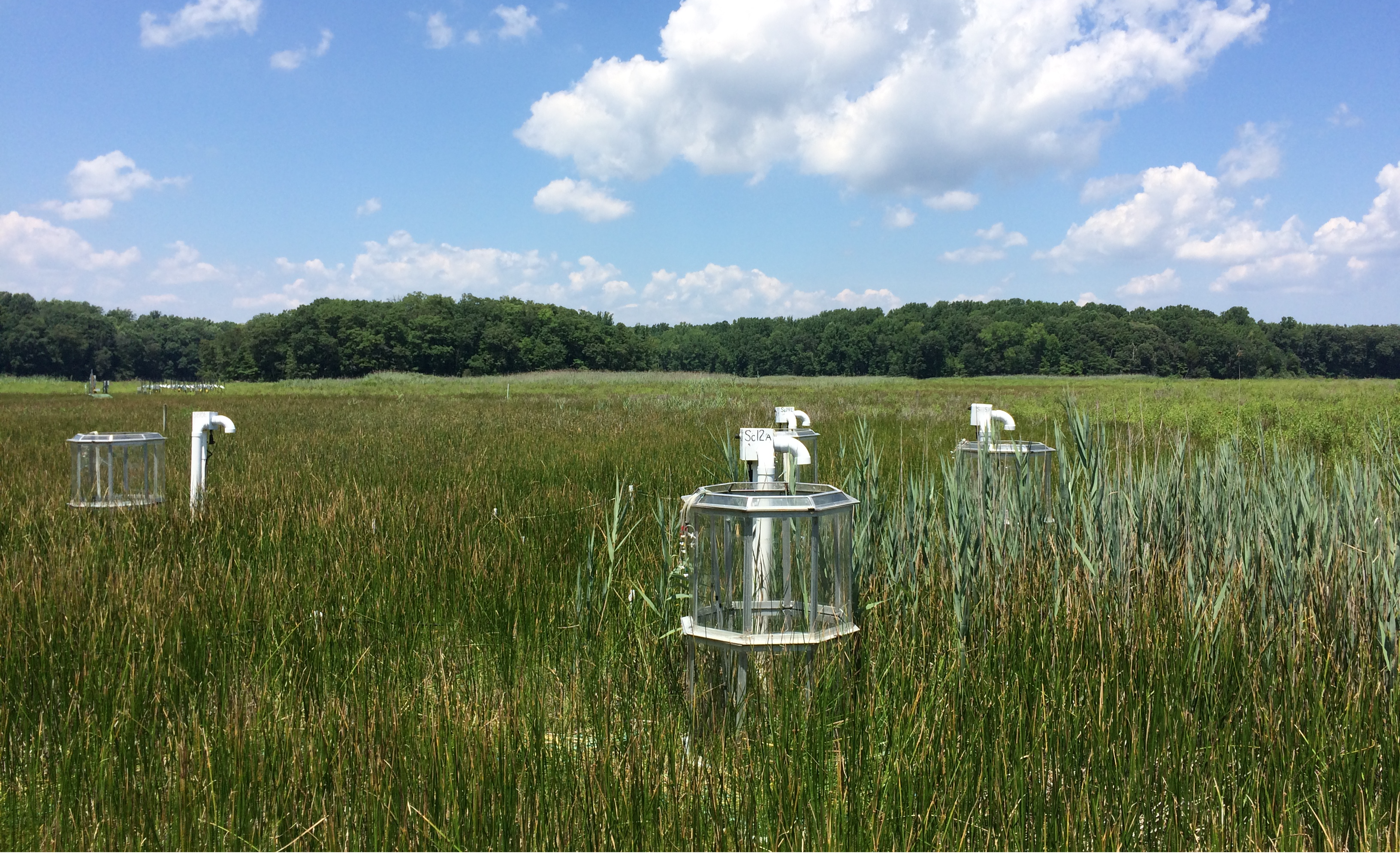
Wetlands export chromophoric dissolved organic matter (CDOM) to estuaries,
where CDOM is removed and transformed through biotic and abiotic process, subsequently
impacting nutrient cycling, light availability, ecosystem metabolism, and phytoplankton
activity. We examined the bioavailability and photoreactivity of CDOM exported from four
Chesapeake Bay tidal marshes across three seasons and along an estuarine salinity gradient
using three incubation treatments: 14‐day microbial (MD), 7‐day combined
photochemical/microbial (PB+MD), and 7‐day microbial incubation after photobleaching
(MD after PB). CDOM absorption at 300 nm (a<sub>CDOM</sub>300) and dissolved organic carbon (DOC)
concentrations showed strong seasonality, with minima in winter, but CDOM quality
(absorption spectral slopes, fluorescence component ratios) was less variable seasonally.
PB+MD over 7 days decreased a<sub>CDOM</sub>300 (–56.0%), humic‐like fluorescence (–67.6%),
and DOC (–17.8%), but increased the spectral slope ratio SR (=S<sub>275‐295</sub>/S<sub>300‐350</sub>) (+94.8%),
suggesting a decrease in CDOM molecular weight. Photochemistry dominated the PB+MD
treatment. Photoreactivity was greater during the winter and in marsh/watershed versus
down‐estuary sites, likely due to less previous light exposure. Prior photobleaching
increased the bioavailability of marsh‐exported CDOM, resulting in a greater loss of
a<sub>CDOM</sub>300 and DOC, and a greater increase in humic‐like fluorescence (–6.0%, –5.9%, and
+18.4% change, respectively, over 7‐day MD after PB incubations, versus –2.8%, –5.5%, and
+2.6% change, respectively, over 14‐day MD incubations). CDOM exported from a marsh
downstream of a major wastewater treatment plant showed the greatest photoreactivity
and bioavailability. This highlights the significance of human activity on estuarine
CDOM quality and biogeochemical cycles.
</p>

<p><a class="btn btn--primary" href="https://doi.org/10.1029/2020JG005744" target="_blank">Read more <i class="fa-solid fa-arrow-up-right-from-square"></i></a></p>

<p><br /></p>]]></content><author><name> </name><email>laura.ann.logozzo@gmail.com</email></author><category term="Publications" /><summary type="html"><![CDATA[Logozzo, L.A., M. Tzortziou, P.J. Neale, J.B. Clark March 2021 · Journal of Geophysical Research: Biogeosciences]]></summary></entry><entry><title type="html">The Effects of Trace Narasin on the Biogeochemical N-Cycle in a Cultivated Sandy Loam</title><link href="https://lauralogozzo.github.io/publications/DeVries/" rel="alternate" type="text/html" title="The Effects of Trace Narasin on the Biogeochemical N-Cycle in a Cultivated Sandy Loam" /><published>2020-05-10T00:00:00+00:00</published><updated>2020-05-10T00:00:00+00:00</updated><id>https://lauralogozzo.github.io/publications/DeVries</id><content type="html" xml:base="https://lauralogozzo.github.io/publications/DeVries/"><![CDATA[<h5 id="devries-s-loving-m--logozzo-l-zhang-p-block-k-">DeVries, S., Loving, M.,  <strong>Logozzo, L.</strong>, Zhang, P., Block, K. <br /></h5>
<h6 id="may-2020--science-of-the-total-environment">May 2020 · <em>Science of the Total Environment</em></h6>

<p align="justify">
Narasin is an antibiotic administered to broiler chickens to prevent coccidiosis.
After storage, excreta containing parent narasin compounds is commonly spread as nitrogen fertilizer,
yielding initial soil concentrations in the low μg·kg<sup>−1</sup> range. In soil, antibiotics have
been found to modify one or more pathways in the biogeochemical nitrogen cycle. The concentrations
tested are often too high to be considered environmentally relevant, despite evidence that
sub-therapeutic doses may also be disruptive. We conducted soil mesocosm experiments to
determine the overall impact of trace narasin on major nitrogen pools and fluxes in soils
treated with 0, 1, 10, 100, or 1000 ng·kg<sup>−1</sup> narasin. Water content in the mesocosms varied
from 40% to 80% water-filled pore space (WFPS), simulating a range of different redox
conditions. Under aerobic conditions (40% WFPS), exposure to narasin inhibited nitrification,
yielding increases in soil ammonium by up to 76%, perhaps by targeting nitrifying fungi.
Under the same conditions, narasin caused soil nitrate concentrations to decline 17–39%.
When the soil was near saturation (80% WFPS), nitrate increased by an average of 30%.
Mass balances and isotopic enrichment of N<sub>2</sub>O indicate that NAR may also affect anammox and
the rate of nitrifier nitrification/denitrification. In aerobic soils, N<sub>2</sub>O flux increased
with antibiotic dose and the rise in flux strongly correlates to the N2O:N2 product ratio
from dentification. This relationship suggests that N2O flux may increase in soils exposed
to narasin even when total denitrification is modestly inhibited. We conclude that trace
concentrations of narasin can significantly modify biogeochemical activities in soil on
short timescales. Our results indicate the potential for extremely low concentrations of
antibiotics to impact agricultural productivity, terrestrial N&lt;sub&lt;2&lt;/sub&gt;O flux, and non-point source
nitrogen pollution.
</p>

<p><a href="https://www.sciencedirect.com/science/article/pii/S0048969720305416?via%3Dihub" target="_blank">Read more</a></p>

<p><br /></p>]]></content><author><name> </name><email>laura.ann.logozzo@gmail.com</email></author><category term="Publications" /><summary type="html"><![CDATA[DeVries, S., Loving, M., Logozzo, L., Zhang, P., Block, K. May 2020 · Science of the Total Environment]]></summary></entry></feed>